
Glossary of Terms
- Scale Build-Up: Hard mineral deposits inside an ice machine caused by untreated water, which can damage internal components.
- Drainage System: Pipes and components that remove melted ice and excess water, often susceptible to clogs in winter.
- Refrigerant Levels: The amount of cooling agent (like Freon) in the machine, essential for maintaining proper cooling.
- Evaporator Plate: A part of the ice machine where water freezes to form ice. Scale and dirt buildup here can reduce ice production.
- Thermal Overload: A safety mechanism that shuts down the ice machine when internal components overheat, which can occur due to winter inefficiencies.
Understanding Winter’s Impact on Ice Machines
Winter introduces unique challenges for ice machines, including:
- Temperature Fluctuations: Colder environments can freeze water lines or affect internal sensors, leading to production issues.
- Reduced Usage: Machines that aren’t used regularly in winter are more prone to stagnant water and bacterial growth.
- Increased Maintenance Needs: Harder water and lower temperatures often result in faster mineral buildup and drainage problems.
Ignoring these challenges can lead to equipment failures, unnecessary downtime, and higher costs. By preparing ahead, you can avoid disruptions and ensure your ice machine is ready for action when you need it most.
Winter Maintenance Tips for Commercial Ice Machines
- Monitor Temperature Stability
- Keep the machine in a room where the temperature stays above freezing. This prevents water lines and internal components from freezing.
- Use insulation for exposed pipes if the machine is in a cooler or unheated area.
- Replace Water Filters Regularly
- Winter months often bring harder water, which accelerates scale buildup. Changing the filter monthly ensures clean ice and prevents damage.
- Invest in a high-quality filter to protect against heavy mineral deposits.
- Inspect and Clean the Drainage System
- Clear any blockages in the drainage pipes to prevent leaks and water freezing in the system.
- Regular cleaning keeps the system functioning optimally and prevents backups.
- Check Refrigerant Levels and Cooling Efficiency
- Low refrigerant levels lead to inadequate cooling, affecting ice production. Schedule a professional inspection to maintain proper levels.
- Perform a Deep Clean
- Scale, mold, and dirt can accumulate faster in winter due to reduced usage. Clean evaporator plates, storage bins, and water pumps thoroughly.
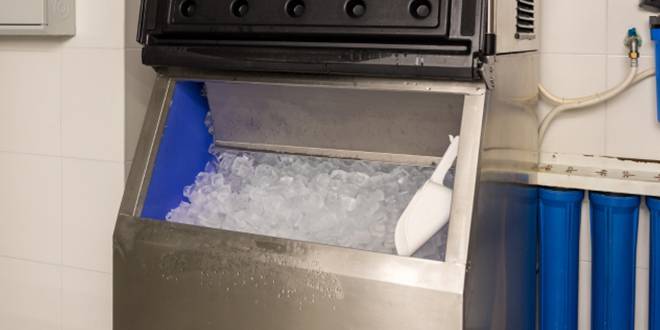
Winter Maintenance Tasks and Benefits
| Task | Frequency | Why It Matters |
| Replace Water Filters | Monthly | Prevents scale buildup and ensures clean, safe ice. |
| Inspect Refrigerant Levels | Quarterly | Keeps cooling efficient and production consistent. |
| Clean Drainage Pipes | Quarterly | Prevents clogs and freezing that can disrupt the system. |
| Deep Clean Internal Components | Semi-Annually | Eliminates scale, mold, and debris to extend the machine’s lifespan. |
| Test Ice Production Output | Monthly | Detects early signs of inefficiency or failure. |
Red Flags: Signs Your Ice Machine Needs Immediate Attention
- Unusual Ice Appearance: Cloudy, misshapen, or foul-smelling ice indicates filter or water quality issues.
- Slow Ice Production: A decrease in output could mean refrigerant levels are low or internal components are dirty.
- Leaks or Puddles: Water pooling around the machine often signals drainage or pipe issues.
- Loud or Unusual Noises: Grinding, buzzing, or other strange sounds may indicate a failing motor or clogged components.
- Visible Scale Build-Up: White or chalky deposits on internal surfaces reduce efficiency and damage components.
If you notice any of these issues, it’s time to contact us for professional servicing.
FAQ: Everything You Need to Know About Winter Ice Machine Maintenance
- Why does my ice machine need maintenance in winter?
Winter conditions can cause water freezing, scale buildup, and inefficiencies, which damage your equipment if left unaddressed. - How often should I replace the water filter?
Replace filters monthly during high mineral seasons (like winter) to ensure clean ice and prevent clogs. - What’s the best way to prevent frozen water lines?
Keep your ice machine in a room with stable temperatures and insulate pipes in unheated areas. - Can I clean my ice machine myself?
While you can clean external parts and bins, professional deep cleaning is recommended for internal components like evaporator plates and water pumps. - How do I know if my refrigerant levels are low?
Reduced cooling performance and slower ice production are common indicators. A professional inspection can confirm and address the issue. - Is preventative maintenance worth the cost?
Yes! Routine care prevents breakdowns, extends your machine’s lifespan, and ensures consistent ice production, saving you money in the long run. - How do I avoid scale buildup?
Regular cleaning, water filter replacements, and using treated water can reduce scale formation. - What should I do if my machine stops producing ice?
First, check for basic issues like power supply or water flow. If problems persist, schedule an emergency repair with our experts.
Why Choose Rock Hard Refrigeration?
- Specialized Expertise: Our technicians are trained in all aspects of commercial refrigeration, ensuring precise and reliable service.
- Comprehensive Solutions: From filter changes to major repairs, we handle it all with unmatched professionalism.
- Customer-Centered Approach: We prioritize your business’s needs, offering flexible scheduling and transparent pricing.
- Proactive Maintenance Plans: Our maintenance memberships provide peace of mind with routine care tailored to your equipment.
- Community Commitment: Proudly serving businesses in Texas and South Carolina, we’re dedicated to helping local businesses thrive.
Let Rock Hard Refrigeration Help You Winterize Your Ice Machine
Winter challenges don’t have to mean trouble for your ice machine. With expert maintenance from Rock Hard Refrigeration, you can ensure smooth operation and reliable ice production all season long. Protect your investment and avoid downtime—contact us today to schedule service or learn more about our maintenance plans!